
Residential roof inspections in Overland Park should usually happen before a homeowner files a storm claim. That order saves a lot of confusion. After bad weather rolls through, people tend to hear ten opinions at once. A neighbor says everyone on the block should call insurance. A contractor knocks on the door and says the roof is shot. Someone else says to wait and see if it leaks. None of that is especially helpful.
Before you decide anything, you need a clear picture of what actually happened on the roof. Storm damage can be obvious, but it can also be subtle. A few lifted shingles, bruised areas from hail, loose flashing, or disturbed ridge materials may not stand out from the yard. An inspection gives the situation some shape. It tells you whether the damage looks real, recent, and worth moving forward on.
Why residential roof inspections in Overland Park should come first
A roof can take a storm hit without advertising it very well. That is part of what makes insurance decisions tricky. Homeowners are often reacting to indirect signs. Maybe there is shingle debris in the yard. Maybe the gutters look rougher than they did before. Maybe the attic smells damp for the first time all year. Those clues matter, but they are not a full diagnosis.
Starting with an inspection helps keep the process grounded. It tells you whether the issue is isolated or widespread, cosmetic or functional, fresh or more likely related to age. That distinction is a big one. Some roofs look messy after a storm but do not justify a claim. Others look mostly normal from the ground and still have damage that will shorten the roof’s life if nobody catches it early.
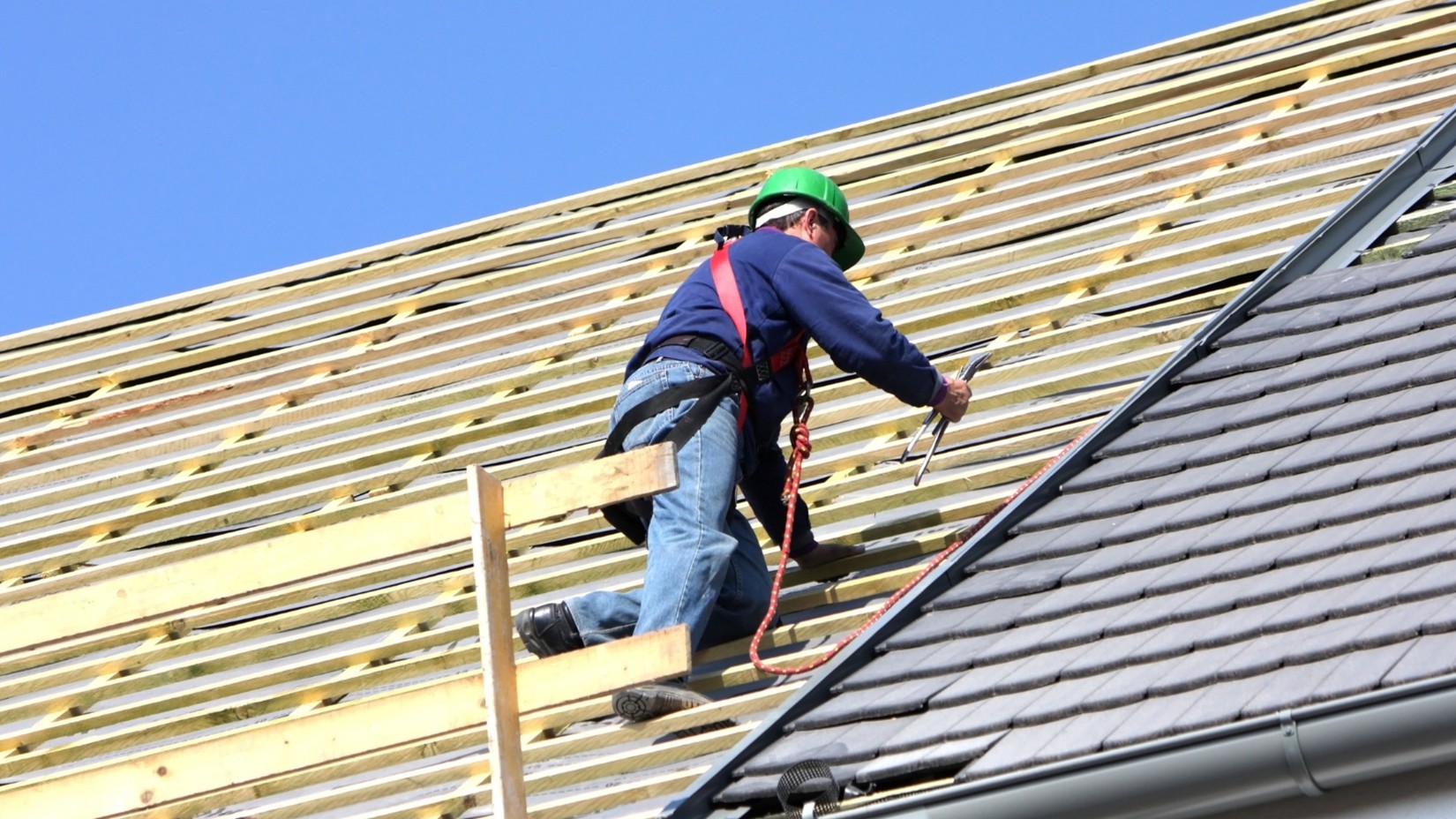
A good inspection should do more than glance at the shingles
Reliable roof inspections in Overland Park should include more than a quick lap around the roofline. The person evaluating the roof ought to be checking for creased shingles, broken seals, exposed fasteners, flashing movement, granule loss, ridge damage, and impact marks on soft metals. The attic matters too. Damp insulation, water staining on the decking, and musty air can all tell part of the story.
The real value is in the explanation. Homeowners should walk away knowing where the damage is, how severe it looks, and whether it lines up with wind, hail, or an older problem that has simply become more visible. That kind of detail keeps people from making decisions based on panic, neighborhood rumors, or the loudest person who happened to stop by after the storm.
Not every storm should turn into a claim
This is the part that gets skipped too often. A roof insurance claim in Overland Park can absolutely make sense when the roof took a real functional hit. But not every rough-looking roof needs to go down that road. If the damage is limited and repairable, a claim may create more hassle than it solves. On the other hand, if the storm left broad impact across multiple slopes or pushed an already borderline roof past the point of repair, then filing becomes a lot more reasonable.
That is also when bigger questions start to show up. If the damage is extensive enough that roof replacement in Overland Park becomes part of the discussion, homeowners need to know whether that need is coming from fresh storm damage, older wear, or some mix of both. The answer affects the next step, and it is much easier to sort out early than it is months later.
The roofer you choose should lower the temperature
There is a huge difference between someone who documents damage and someone who performs urgency. A dependable roofing company in Overland Park should be able to walk you through photos, explain what looks new, and tell you where the roof is vulnerable right now. If they cannot do that, the conversation is getting ahead of the facts.
That is especially important when severe weather leaves open areas that need prompt attention. If shingles have been peeled back or flashing has shifted enough to let water in, wind damaged roof repair in Overland Park may need to happen quickly to protect the house while the insurance side gets sorted out. Fast action is fine. Rushed thinking is not. You want both protection and documentation, not one at the expense of the other.
Good records make everything easier later
Once the roof has been inspected properly, the next step gets clearer. Maybe the damage is minor and can be handled without involving insurance. Maybe repairs are enough. Maybe the inspection supports a claim. Whatever the answer is, it is easier to move forward when the facts were documented early.
That is one reason residential roof inspections in Overland Park are such a smart first move after hail or wind. They keep homeowners from working backward. Instead of filing first and trying to build the story later, you get the story first. If the roof really took a storm hit, good notes and photos help. If it did not, those same notes may save you from opening a claim you never needed in the first place. And that is a pretty useful outcome too.
FAQ 1: Should I call my insurance company before anyone checks the roof?
Usually not. It helps to understand what condition the roof is in before opening a claim, especially if the damage may be limited.
FAQ 2: Can hail damage exist without an active leak?
Yes. Hail can bruise shingles and shorten their life even when water has not made it inside yet.
FAQ 3: How often should I schedule residential roof inspections in Overland Park?
For many homes, once a year is a good baseline, with an extra inspection after major hail or wind events. Older roofs may need a closer watch.
At Roofing Zone, we make protecting your home simple so you can focus on everything else that matters.

We provide clear recommendations, quality materials, and dependable workmanship built to last. No shortcuts. No surprises. Just honest roofing solutions from a team that stands behind every job. Ready to get started? Call us at (913) 310-0010 or fill out the form on our Contact Us page.
Follow Roofing Zone on Facebook to see our latest projects and updates.